
Even the world’s most iconic brands—Apple, LEGO, Marvel, Nintendo, and FedEx—have stared down bankruptcy. Their comeback stories prove that resilience, focus, and smart risk-taking can turn near-failure into lasting success. As Richard Edwards of Vibra Media notes, the key is “doubling down on what makes you unique.”
We often see giants like Apple, LEGO, and Marvel as untouchable — companies that can do no wrong. They dominate their industries, shape culture, and seem light-years ahead of the competition. But what many people don’t realize is that these same brands were once just a few bad decisions away from disappearing altogether.
Each of them faced moments of near-collapse: Apple was just weeks from bankruptcy, LEGO was bleeding millions daily, Marvel was tangled in financial chaos, Nintendo was written off as outdated, and FedEx was literally saved by a gamble in Las Vegas. These weren’t minor setbacks — they were full-blown crises that could have ended their stories.
What saved them wasn’t luck. It was resilience, creativity, and bold decision-making in the face of impossible odds. Their leaders made painful cuts, redefined their products, and had the courage to rebuild from the ground up.
For small business owners, these comeback stories are more than inspiring — they’re practical case studies in what it takes to survive when everything seems to be falling apart. Whether you’re facing cash flow issues, market shifts, or burnout, the lessons from these big brands show that failure isn’t the end. It’s often the beginning of a smarter, stronger, and more focused business.
As Richard Edwards, Founder and CEO of Vibra Media, puts it:
“These comeback stories are inspiring masterclasses in business resilience. Each company faced what seemed like an impossible situation but found a way not only to survive, but to thrive.”
Let’s take a closer look at five household names that came back from the brink — and the valuable lessons their stories hold for small businesses today.
Table of Contents
Apple: Saved by Thinking Different

In 1997, Apple was just 90 days away from bankruptcy. Its market share had plummeted, its product line was messy, and Steve Jobs had been gone for over a decade. When Jobs returned, he did something radical: simplified everything.
He cut dozens of products down to four, struck a lifeline deal with Microsoft for $150 million, and launched the iMac—a fun, colorful machine that redefined what computers could look like.
Lesson: When your business feels stuck, simplify. Focus on what you do best instead of chasing every opportunity. Clarity creates momentum.
Marvel: Taking Control of the Story
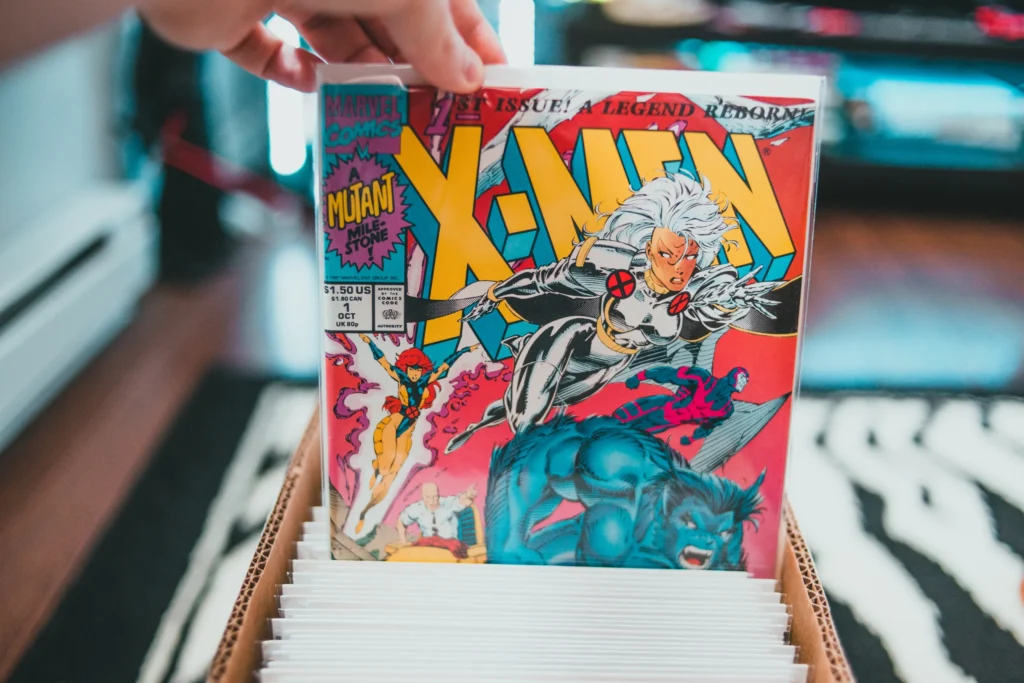
Before becoming a billion-dollar movie machine, Marvel filed for bankruptcy in 1996. Years of bad licensing deals had cost them control of Spider-Man, the X-Men, and others. Instead of giving up, Marvel took a huge gamble: making its own movies.
The 2008 release of Iron Man changed everything. It was a massive success and launched the Marvel Cinematic Universe—one of the most profitable franchises in film history.
Lesson: Don’t give away your best assets too early. Owning your brand, your voice, and your customer relationship can make or break your future.
LEGO: Rebuilding by Going Back to Basics

By 2003, LEGO was losing $1 million a day. The company had over-expanded into theme parks, clothing, and video games—forgetting what made it special. The fix? Return to the bricks.
Under CEO Jørgen Vig Knudstorp, LEGO streamlined its product line, sold off the theme parks, and focused on creative play. Collaborations with Star Wars and Harry Potter reignited the magic.
Lesson: Growth doesn’t mean doing more—it means doing what matters better. Never lose sight of your core value.
Nintendo: Changing the Game (Literally)
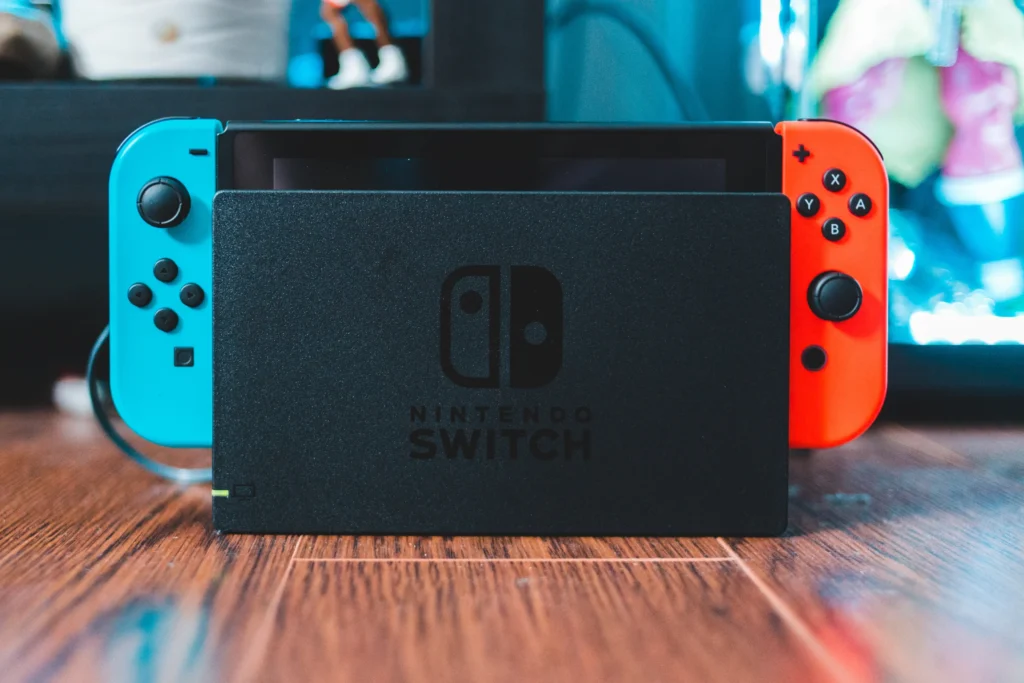
Nintendo’s GameCube flopped in the early 2000s, and analysts predicted the company’s downfall. But instead of trying to out-power Sony or Microsoft, Nintendo went the other way.
In 2006, it launched the Wii—a console centered on family fun and motion-based play. It wasn’t the most powerful machine, but it was the most inclusive. The Wii sold over 100 million units and introduced gaming to millions of new players.
Lesson: Innovation doesn’t always mean doing what’s new—it can mean doing something differently. Create your own lane instead of fighting for someone else’s.
FedEx: Betting It All on Survival
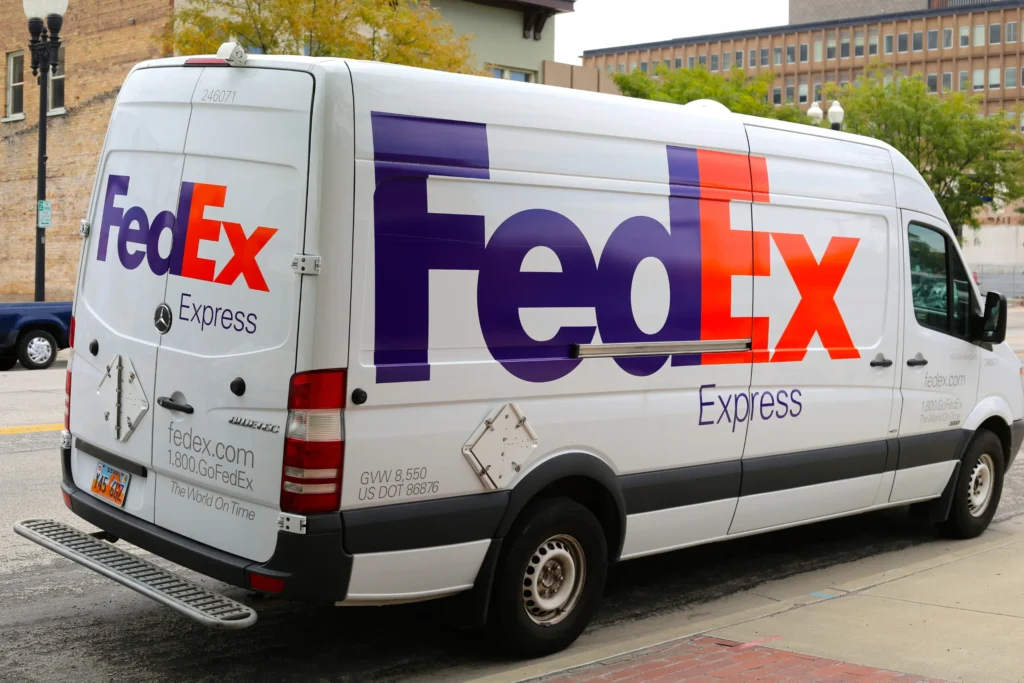
In the 1970s, FedEx was weeks away from shutting down. Founder Fred Smith had run out of money and couldn’t pay fuel bills. In a last-ditch move, he took the company’s last $5,000 to Las Vegas—and won $27,000 in blackjack.
That money kept the planes flying long enough to secure a critical loan. Soon after, FedEx introduced its legendary overnight delivery guarantee, transforming logistics forever.
Lesson: Bold risks can save a sinking business—but they work best when tied to genuine innovation and a clear customer need.
What All These Brands Have in Common
Each of these companies turned crisis into clarity. They stopped trying to be everything to everyone and focused on what made them great.
As Richard Edwards explains:
“These five brands share something powerful: they came back stronger by making brave decisions when everything was on the line. Apple simplified, Marvel took control, LEGO returned to its roots, Nintendo innovated differently, and FedEx revolutionized an industry.”
He adds:
“The lesson for modern businesses is clear—when you’re facing a crisis, doubling down on what makes you unique matters more than chasing every trend. The brands that nearly disappeared are now the ones we can’t imagine living without.”
For small businesses, that’s the biggest takeaway: Resilience isn’t about avoiding failure—it’s about knowing how to respond when failure feels inevitable.
Key Takeaways
- Simplify to survive: Like Apple, clarity beats clutter.
- Own your brand: Control your story before others do.
- Return to your roots: Growth without focus leads to chaos.
- Innovate on your terms: Nintendo thrived by redefining success.
- Be bold, but strategic: FedEx’s gamble worked because it supported a groundbreaking idea.
- Crisis = opportunity: Every near-failure can become your turning point.
FAQ
What can small businesses learn from these near-bankrupt brands?
They show that failure isn’t final. When revenue drops or the market shifts, focusing on your strengths, cutting distractions, and listening to customers can pull you back from the edge.
Why is simplifying a business model so effective?
Complexity drains resources and confuses customers. Streamlining products or services—like Apple and LEGO did—helps you focus marketing and innovation where it counts most.
Are bold risks always necessary for a comeback?
Not always—but courage is. FedEx’s story is extreme, but every turnaround requires brave decisions. Sometimes, the risk is simplifying your offering or pivoting when the market changes.
How can small brands “own their story” like Marvel?
Instead of relying entirely on third-party platforms or distributors, build your own channels—your website, email list, or community—so you’re not at the mercy of others’ decisions.
What’s the most important quality in a business comeback?
Adaptability. Whether it’s tech, toys, or logistics, companies that survive are the ones that can change direction quickly without losing their identity.
About Richard Edwards
This article includes insights from Richard Edwards, Founder and CEO of Vibra Media, a UK-based digital PR agency specializing in brand amplification and link-building.