
Revolymer’s “nonstick chewing gum” was a scientific breakthrough — but it failed in the marketplace because it solved a problem consumers didn’t feel. Here’s what small business entrepreneurs can learn from this big-company misstep about validating demand and aligning innovation with customer needs.
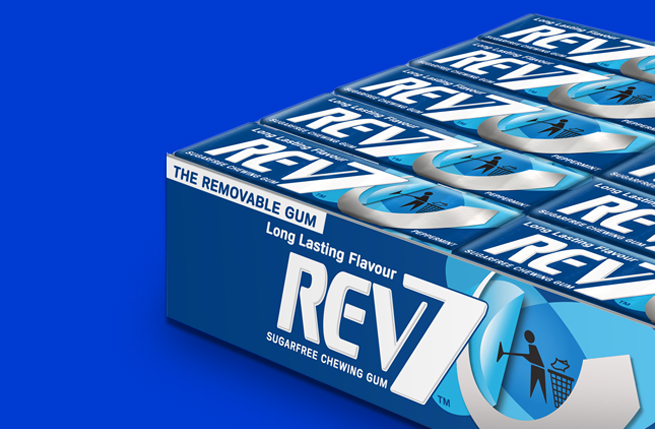
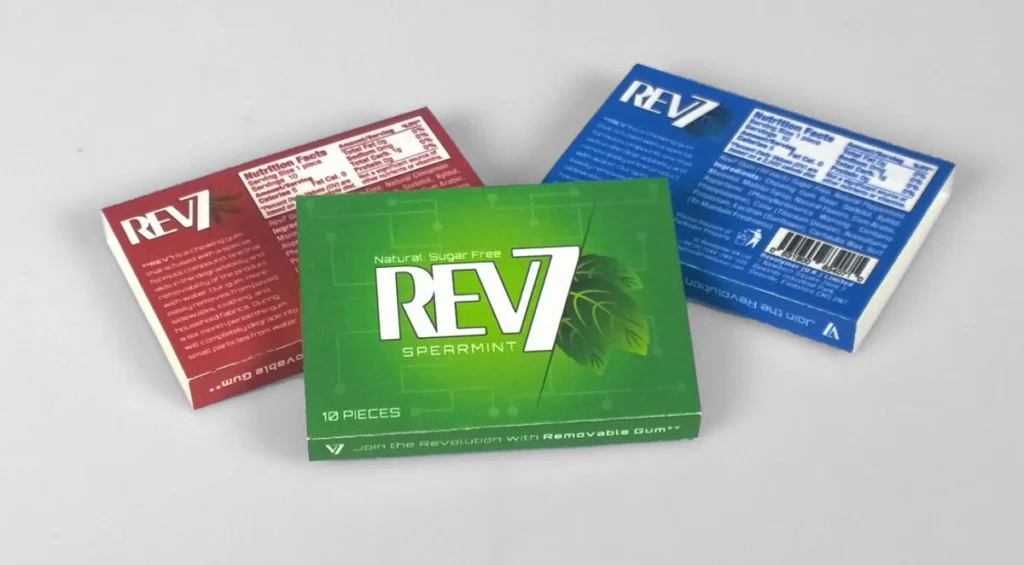
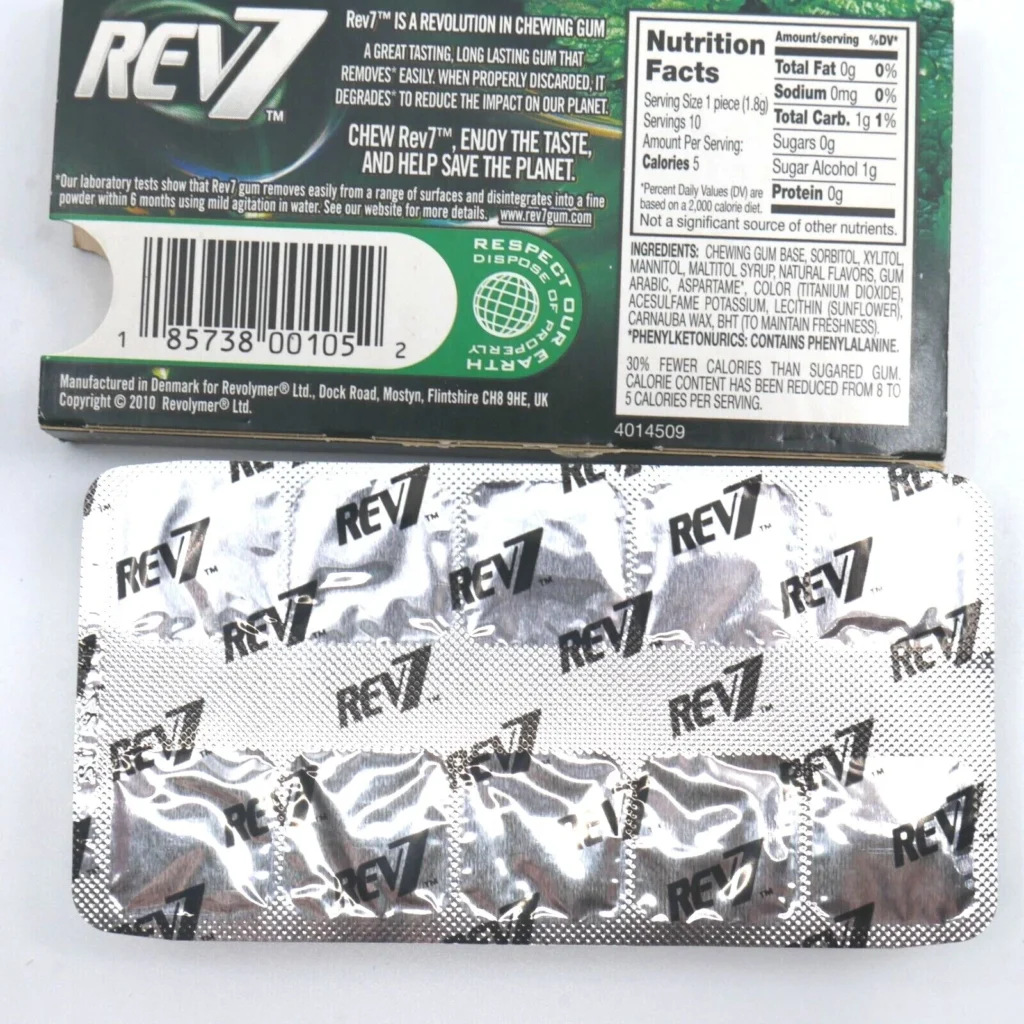
In 2007, MIT Technology Review published an article about a U.K.-based startup, Revolymer, that had developed what seemed like a game-changing invention: a nonstick, easy-to-clean chewing gum.
It was clever science — the gum used a special polymer structure that allowed it to wash off sidewalks, shoes, and even hair easily. City governments, especially London, were spending millions annually to scrape traditional gum off public surfaces. Revolymer’s CEO, Roger Pettman, believed their product could fix that. The company even conducted taste tests and street trials to prove that the gum was both palatable and practical.
On paper, everything looked promising. The problem was that Revolymer focused on the wrong customer.
Table of Contents
A Brilliant Product Without a Market
Revolymer’s product solved a legitimate problem — gum litter is costly and unsightly. But the people paying to clean it up (city governments) weren’t the ones buying or chewing gum. The actual consumers — gum lovers — weren’t the least bit motivated to switch.
Most gum buyers choose based on taste, freshness, and habit, not biodegradability. They didn’t feel the pain of gum cleanup costs, so they had no reason to care. For them, gum sticking to the ground wasn’t their problem — it was someone else’s.
This disconnect between who benefits and who pays is where Revolymer’s business model broke down. Even though they had a scientifically superior product, they didn’t have a market that truly demanded it.
What Happened Next
The gum never gained traction. Revolymer eventually pivoted, moving away from consumer gum products entirely. The company rebranded as Itaconix, shifting its polymer science toward sustainable ingredients used in cleaning products, personal care, and industrial applications — areas where both the benefit and buyer aligned.
Itaconix’s reinvention shows that the underlying technology wasn’t the problem — the market validation was. Once the company found industries with real demand for biodegradable polymers, it began to grow.
Lessons for Small Business Entrepreneurs
Even though Revolymer was backed by strong R&D and scientific credibility, its early missteps hold valuable lessons for entrepreneurs of all sizes — especially small business owners who can’t afford to invest heavily in ideas that the market doesn’t want.
1. Validate Demand Before Perfecting the Product
Many entrepreneurs, like Revolymer, get excited by what’s technically possible. But innovation must follow demand, not lead it blindly. Before spending time or money building something, test whether people truly want it.
Ask yourself:
- Who benefits from this product?
- Are they the same people who will buy it?
- What will make them switch from what they’re using now?
Simple validation methods — surveys, small-scale preorders, prototypes — can reveal whether there’s genuine demand before you invest too deeply.
2. Solve a Pain People Actually Feel
Revolymer tried to fix a problem that consumers didn’t feel personally. Governments wanted cleaner streets, but gum buyers weren’t motivated by that goal.
As a small business owner, you don’t have the budget to educate the market on why your product should matter. It’s far more effective to solve problems that customers already recognize and want fixed immediately — ones that cause frustration, inconvenience, or wasted time.
If your audience doesn’t see the pain, they won’t buy the cure.
3. Make Sure the Payer and the Beneficiary Are the Same
Revolymer’s biggest mistake was misidentifying their economic buyer. The local governments benefitted from the gum’s easy cleanup, but gum manufacturers and consumers weren’t financially motivated to care.
In any business, the customer who pays must see a direct link between what they spend and what they gain. If the value isn’t personal or immediate, they won’t part with their money — no matter how good the product is.
4. Don’t Confuse Innovation with Market Readiness
Being first doesn’t always mean being successful. Revolymer was ahead of its time — even gum giants like Wrigley were spending millions trying to develop biodegradable alternatives. But market readiness matters as much as technical achievement.
Sometimes the market isn’t ready to adopt a new behavior or pay a premium for an innovation, even if it’s environmentally responsible. Entrepreneurs must balance creativity with timing. It’s often wiser to enter a market when customers are ready than when competitors aren’t there yet.
5. Be Willing to Pivot Early
Revolymer’s eventual pivot into Itaconix saved the company. They took their core technology — hydrophilic polymer chemistry — and applied it to sectors that valued sustainability and performance.
Small business owners can learn from that flexibility. If your idea isn’t working despite effort and research, pivot your product, target audience, or business model. The earlier you adjust, the less you lose — and the faster you can find the right fit.
6. Don’t Assume “Good for Society” Means “Good for Business”
Many eco-friendly or socially conscious products struggle because consumers say they care — but their buying behavior says otherwise. Revolymer’s gum made streets cleaner, but consumers didn’t value that benefit enough to change brands.
For small businesses, it’s important to remember that moral value and market value aren’t always aligned. If your product’s main benefit is social or environmental, connect it to a personal benefit: convenience, status, or cost savings. That’s how you turn goodwill into demand.
Key Takeaways
- Innovation without demand is just invention. Always validate before building.
- Your customer must feel the pain. If they don’t, they won’t pay to fix it.
- Align value and payment. The person who benefits should be the one buying.
- Timing matters. A great idea in the wrong market can still fail.
- Adaptability is survival. Pivoting isn’t a setback — it’s strategy.
Final Thought
Revolymer’s story is a reminder that even well-funded, research-driven companies can miss the mark if they fail to listen to the market. Small business owners, on the other hand, have the advantage of agility.
You don’t need million-dollar R&D budgets — you need feedback loops, customer conversations, and quick testing. Learn from Revolymer’s misstep: before perfecting your product, make sure the world actually wants it.
FAQs: Business Lessons from Revolymer’s Failure
What can small business owners learn from Revolymer’s failed nonstick chewing gum?
The main lesson is that innovation means little without customer demand. Revolymer created a scientifically impressive product that solved a problem governments cared about — gum litter — but consumers didn’t. Small business owners should take this as a reminder to validate whether people truly want what they’re offering. Always talk to potential customers, test small, and focus on solving problems that buyers personally feel and want resolved.
Why didn’t Revolymer’s chewing gum succeed despite being eco-friendly and innovative?
Revolymer’s product failed because it targeted the wrong audience. While city governments and environmental advocates supported the idea of cleaner streets, gum buyers prioritized taste, habit, and price. The people who benefitted weren’t the same ones paying for the product. Successful businesses make sure the customer who buys the product also experiences the benefit directly — otherwise, demand will be weak.
How can small businesses test if there’s real demand for their products?
Start by conducting quick, low-cost validation. Create surveys, prototypes, or landing pages and see if people are willing to sign up, pre-order, or spend money. Pay attention to behavior, not just compliments. If customers are eager to take action — not just say “that’s a good idea” — you’re on the right track. Market validation is about proof, not opinions.
How can small companies pivot successfully when a product idea doesn’t take off?
A smart pivot starts with listening to your market. Identify what worked and what didn’t. In Revolymer’s case, they pivoted from chewing gum to functional polymer ingredients for cleaning and personal care products — an area where demand already existed. Small businesses should do the same: build on their strengths, repurpose existing assets, and redirect them toward a market that actively wants what they’re offering.
What’s the biggest takeaway from Revolymer’s story for entrepreneurs?
The biggest takeaway is that innovation must meet customer reality. Revolymer’s gum failed not because it was poorly made but because it wasn’t aligned with buyer motivation. For entrepreneurs, it’s a cautionary tale: don’t assume that because a product is new, useful, or socially responsible, it will sell. The most successful businesses are those that understand what their customers care about — and deliver that first.